Introduction
In a world where perceptions often shape reality, the role of a Direct Support Professional (DSP) stands at the crossroads of compassion and misconception. These unsung heroes are not just caregivers; they are advocates, mentors, and friends to individuals with disabilities. Yet, despite their vital contributions, myths and stereotypes about DSPs persist, leading to misunderstandings about what this profession truly entails. In this article, we’ll embark on a journey to uncover these myths and illuminate the profound impact of DSP work.
Challenging Stereotypes: Myths About DSP Work Uncovered
Direct Support Professionals play an essential role in supporting individuals with disabilities. However, many people harbor misunderstandings about what being a DSP entails. Let’s delve into some common stereotypes that need challenging.
The Myth of Low Skill Requirement
One prevalent stereotype is that becoming a Direct Support Professional requires minimal training or skill.
Reality Check: The Skills Required for DSPs
In truth, effective DSPs must possess a diverse skill set that includes:
- Communication Skills: Clear and empathetic communication is crucial for understanding clients' needs. Problem-Solving Abilities: DSPs often face unpredictable situations requiring quick thinking. Emotional Intelligence: Understanding and regulating emotions can help build rapport with clients.
The training programs for DSPs cover various topics such as behavioral support techniques, first aid, and even legal rights regarding disability services.
Myth: It's Just a Job for Women
Another common stereotype is that Direct Support Professional roles are predominantly for women.
Breaking Gender Norms in DSP Work
While it's true that many women are involved in this field, men also play an integral role. The notion that caregiving is "women's work" is outdated. Men in the profession bring unique perspectives and strength to the role.
Stereotype: Only People with Personal Experience Can Be Effective DSPs
There’s a belief that only those who have personal experience with disability can be effective Direct Support Professionals.
Diverse Backgrounds Enhance DSP Effectiveness
While personal experience can enhance empathy, many successful DSPs come from varied backgrounds without direct personal ties to disability. What matters most is commitment to learning and understanding each individual's unique needs.
The Myth of Low Pay Equals Low Impact
Many assume that because Direct Support Professionals are often underpaid, their work lacks value.
Valuing the Impact of DSP Work
Compensation doesn't reflect the enormous emotional and social impact these professionals make on individuals’ lives. A supportive environment can transform someone’s life trajectory - this merit far exceeds any paycheck.
Myth: All DSP Work Is Routine and Boring
People often think that being a Direct Support Professional consists solely of monotonous tasks.
The Adventure of Everyday Life as a DSP
On the contrary! Each day presents new challenges, opportunities for creativity in problem-solving, and chances to build meaningful relationships with clients.
Misconception: Working Alone with Clients Is Isolating
Some believe that working as a Direct Support Professional means spending all day alone with clients without support from colleagues or supervisors.
Teamwork Makes the Dream Work in DSP Roles
In reality, collaboration among professionals is vital in this field. Many organizations promote teamwork through regular meetings and shared case management strategies.
The Stereotype of Overly Simple Tasks
There’s a perception that DSPs engage only in menial tasks like feeding or bathing clients.
Understanding Comprehensive Care Through Holistic Practice
Direct Support Professionals offer more than basic care; they facilitate social interactions, assist with employment opportunities, and encourage community engagement.
Myth: Direct Support Professionals Can’t Grow Professionally
Another myth suggests there's limited room for advancement within the field after becoming a Direct Support Professional.
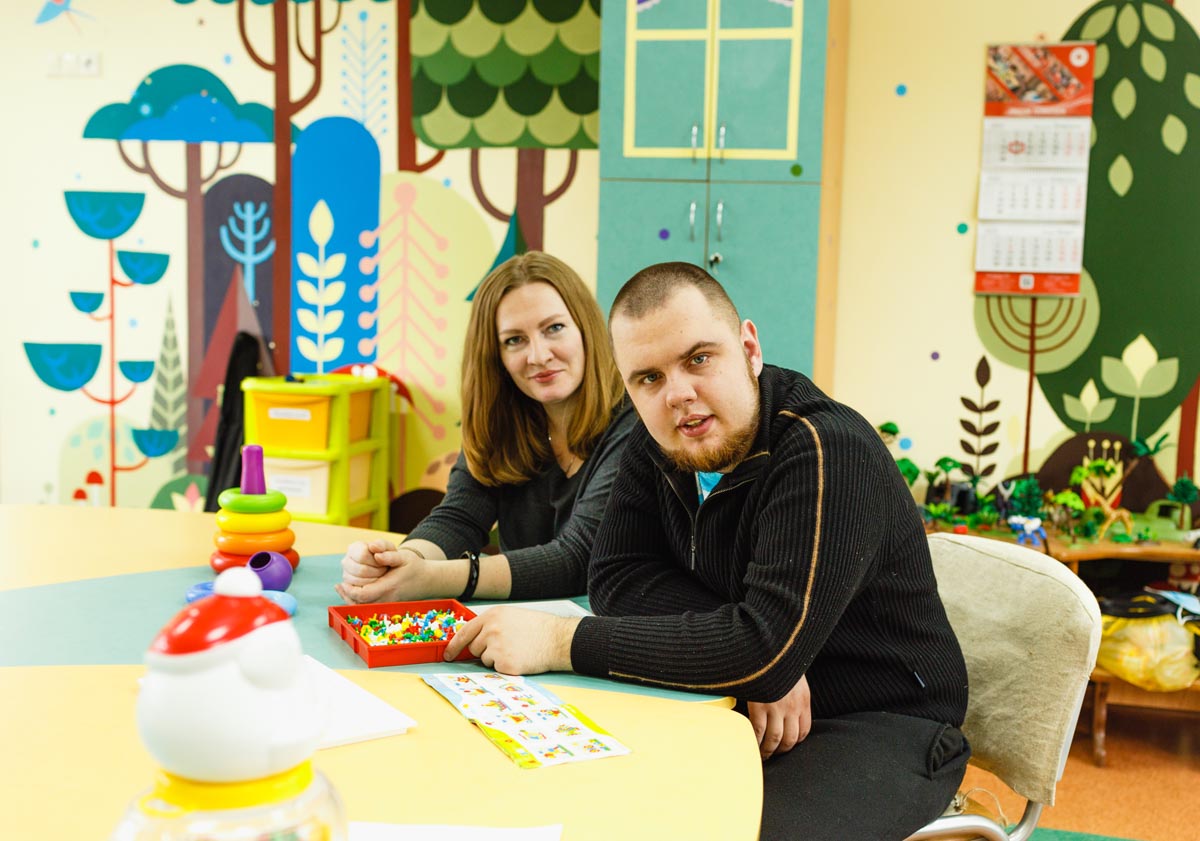
Career Advancement Opportunities Abound for Dedicated DSPs
With additional training or education, many professionals transition into roles such as case managers or trainers within organizations dedicated to supporting individuals with disabilities.
FAQs About Direct Support Professionals
1. What qualifications do you need to become a Direct Support Professional?
To become a Direct Support Professional (DSP), one typically needs at least a high school diploma or equivalent. Some positions may require additional certifications based on state regulations or specific employer requirements.
2. How much do Direct Support Professionals earn?
Salaries can vary widely depending on location, experience level, and the specific organization; however, according to recent studies, average earnings range from $25,000 to $35,000 annually.
3. What types of disabilities do Direct Support Professionals work with?
DSPs support individuals across various disabilities including intellectual disabilities, developmental disabilities such as autism spectrum disorder (ASD), physical disabilities like cerebral palsy, mental health conditions such as schizophrenia or bipolar disorder, and many others.
4. Can you work part-time as a Direct Support Professional?
Yes! Many organizations offer part-time positions suitable for students or those seeking flexible schedules while still making impactful contributions to More help individuals' lives.
5. Are there risks associated with being a Direct Support Professional?
As with any job involving human interaction—especially when supporting vulnerable populations—there can be emotional stressors involved; however, organizations provide resources like training programs focused on self-care strategies tailored specifically for caregivers.
6. How does one find employment as a Direct Support Professional?
Job seekers can explore opportunities through local nonprofits specializing in disability services or check online job boards focusing on healthcare roles—a simple search will yield numerous openings!
Conclusion
Challenging stereotypes surrounding the role of Direct Support Professionals isn't just about debunking myths; it’s about honoring their commitment to fostering independence among those they serve. By shedding light on these misconceptions—from skill requirements to career growth—we celebrate the heartening reality behind this profession's rigorous demands and immeasurable rewards.
So next time you hear someone dismissing the work of a Direct Support Professional as trivial or unskilled—remember the truth lies far beyond those narrow views! These courageous individuals provide essential support that uplifts communities while enriching lives every single day!
By navigating through these misconceptions together we empower not just ourselves but also those who seek our understanding—and ultimately create lasting change within society itself!