Introduction
In the realm of social services, the role of Direct Support Professionals (DSPs) is Direct Support Professional in Forest Grove pivotal. These unsung heroes work tirelessly to empower individuals with disabilities, helping them achieve their full potential. But how do they accomplish this? What strategies do they employ to foster resilience and strength in their clients? This article delves deep into the various ways DSPs nurture growth, promote independence, and instill confidence in those they support.
Through a blend of compassion, training, and innovative techniques, DSPs create environments where clients can thrive. Let’s explore how these professionals cultivate resilience in their clients and why it matters.
What Are Direct Support Professionals?
Defining DSPs
Direct Support Professionals are trained individuals who provide assistance to people with developmental disabilities or mental health challenges. They serve as advocates, mentors, and friends to those they support.
The Scope of Work for DSPs
From daily living skills to community involvement, the responsibilities of DSPs are vast. They assist with:
- Personal care Job coaching Social skills development Advocacy for rights Community integration
The Importance of DSPs in Society
DSPs play a crucial role in creating inclusive communities by enabling individuals with disabilities to participate fully in society. Their work not only impacts the lives of their clients but also enriches communities as a whole.
How DSPs Foster Resilience and Strength in Their Clients
Resilience is the ability to bounce back from adversity. For many individuals with disabilities, life presents unique challenges that can feel overwhelming. Here’s how DSPs help build that resilience.
Empowering Clients through Choice
One key aspect of fostering resilience is giving clients the power to make choices about their own lives. When individuals have a say in decisions that affect them—be it what to wear or what activities to pursue—they develop a sense of ownership over their lives.
Promoting Independence
DSPs encourage independence by teaching practical skills such as cooking, budgeting, and self-care. This not only builds confidence but also equips clients with necessary tools for everyday life.
Building Trusting Relationships
At the heart of every successful partnership between a DSP and client is trust. When clients trust their DSPs, they're more likely to open up about their struggles and aspirations. This relationship lays the groundwork for effective support and encourages clients to take risks in pursuit of personal goals.
The Techniques Used by DSPs to Encourage Resilience
Active Listening Skills
Effective communication starts with active listening. By truly hearing what clients have to say—both verbally and non-verbally—DSPs can tailor their approaches based on individual needs.
Setting Realistic Goals Together
Goal setting can be transformative. DSPs work collaboratively with clients to set achievable goals that push boundaries while still being realistic. This collaboration fosters accountability and motivation.
Utilizing Positive Reinforcement
When clients achieve milestones—no matter how small—celebrating those successes reinforces positive behavior and boosts morale. A simple "great job!" can go a long way!
Challenges Faced by Direct Support Professionals
While the rewards are plentiful, being a DSP isn’t without its challenges:
High Emotional Demand: Supporting individuals through tough times can be emotionally taxing. Burnout Risks: The intense nature of this work may lead some professionals toward burnout if self-care isn’t prioritized. Limited Resources: In many areas, there might be insufficient resources available for both clients and professionals alike.Strategies for Overcoming Challenges
To combat these challenges effectively:
Prioritize self-care routines. Seek peer support from fellow professionals. Engage in continuous education for personal development.The Impact of Technology on Direct Support Work
Innovations Helping DSPs Meet Client Needs
Technology plays an integral role in modern direct support work:
- Mobile apps for scheduling Telehealth services Online training modules
These innovations enable DSPs to enhance service delivery while remaining connected with clients even during challenging times like pandemics or natural disasters.
The Role of Community Involvement in Fostering Strength
Engaging clients within their communities is another way that DSPs promote resilience:
Community Integration Activities
Participating in local events helps build social networks which bolster emotional well-being:
- Volunteering opportunities Group outings (like attending concerts) Workshops on life skills
Each interaction serves as an opportunity for learning and growth.
Success Stories: Real-Life Examples of Resilience Fostered by DSPs
Stories abound demonstrating how effective direct support has transformed lives:
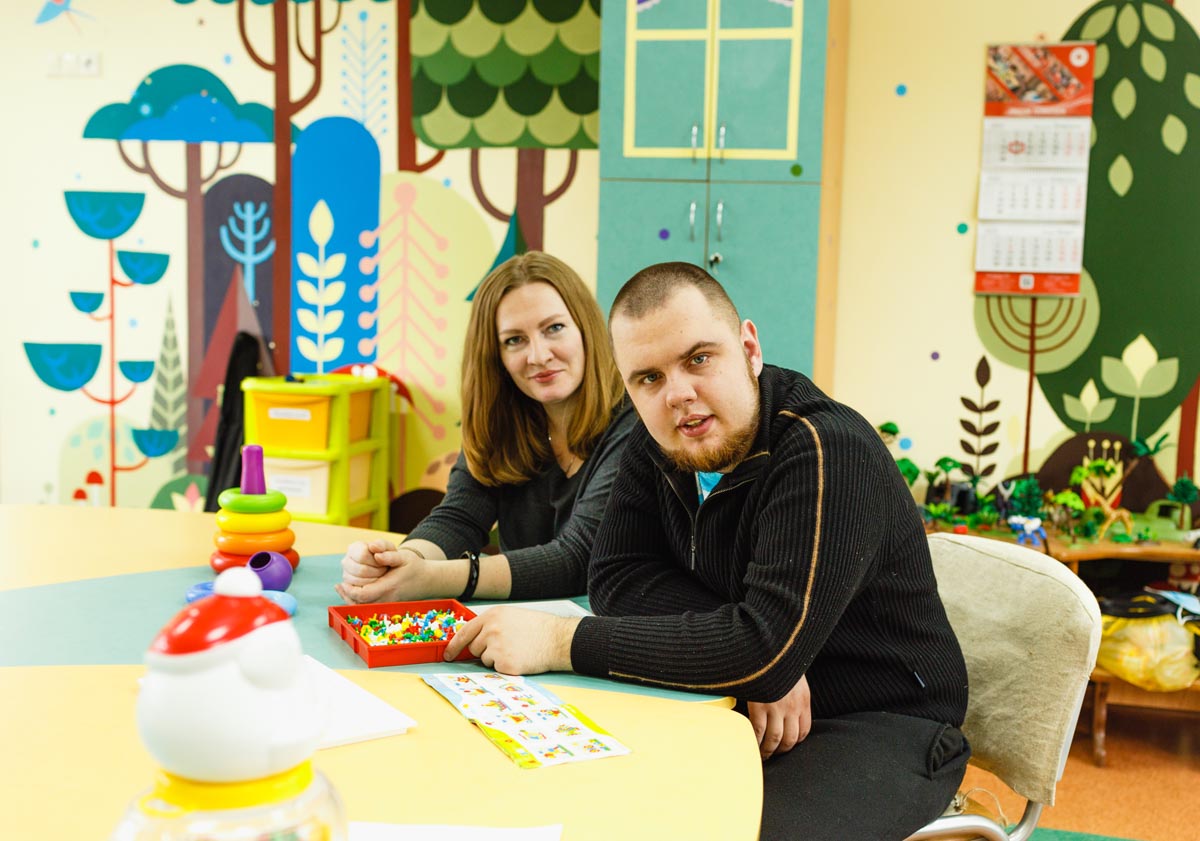
Sarah's Journey: A young woman who learned budgeting skills through her DSP now manages her own finances independently.
Mark’s Triumph: With encouragement from his DSP, Mark overcame his fear of public speaking; he now leads workshops at his local community center!
These examples highlight both the impact of dedicated support and illustrate paths toward greater independence.
FAQ Section
1. What qualifications does one need to become a Direct Support Professional?
Typically, you need at least a high school diploma or equivalent along with specialized training related to disability services or human services fields.
2. How do Direct Support Professionals assist individuals daily?
DSPs assist with tasks ranging from personal care (like bathing) to helping manage medications or facilitating social activities within the community.
3. Can anyone become a Direct Support Professional?
Yes! As long as you have passion, patience, empathy towards others along with https://medium.com/@john7765/discover-what-does-a-direct-care-professional-do-today-f99c18a14b57 relevant training or certifications required by your state or employer, you could start your career as a DSP!
4. What kind of organizations hire Direct Support Professionals?
Many different organizations hire DSPs including non-profits focused on disability advocacy services & government agencies offering supportive housing options for people with disabilities among others!
5. Is there ongoing training available for Direct Support Professionals?
Absolutely! Many employers offer continued education programs so that professionals remain up-to-date on best practices while honing new skills relevant in supporting diverse populations effectively!
6.What is the average salary range for Direct Support Professionals?
Salaries vary widely depending upon location & type/size organization but generally range between $25k-$45k annually!
Conclusion
Direct Support Professionals are invaluable assets within our communities; they foster resilience among those they serve through empowerment strategies tailored specifically towards individual needs! By promoting independence while building trusting relationships alongside encouraging participation within broader society –these dedicated workers illuminate pathways toward stronger futures filled not just hope but achievement too!
In summary: Whether it’s helping someone learn fundamental life skills or simply offering emotional support during difficult times—DSP's impact resonates deeply across all facets life touched by them—making us better together!